Selling a historic Coral Gables home is not the same as selling just any property. Buyers are often drawn to the details that make these homes memorable, but the same details can also raise important questions about condition, permits, and what changes were approved over time. If you are getting ready to list, a smart plan can help you protect the home’s character, avoid last-minute surprises, and present its value with confidence. Let’s dive in.
Start With Historic Status
Before you paint, repair, or update anything, confirm whether your home is locally designated or located within a historic district. In Coral Gables, historic designation and review are handled through the city’s preservation program, which has been in place since 1973.
That step matters because exterior work may require historic review before a permit is issued. If your property is designated or in a historic district, a Certificate of Appropriateness is generally required before most exterior work begins.
Know What Buyers Notice First
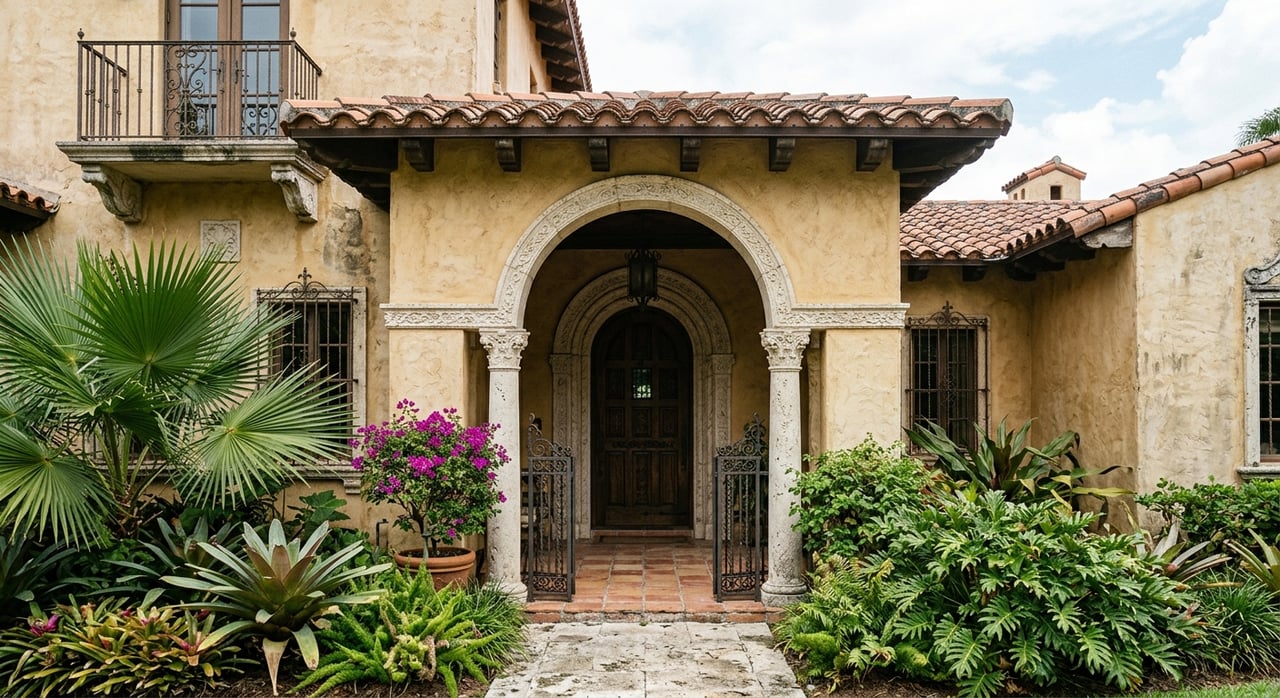
Historic Coral Gables homes often stand out because of their architecture, not just their address. The city’s landmark materials highlight features commonly associated with Mediterranean Revival homes, including native oolitic limestone, barrel tile roofs, loggias, towers, decorative window and door surrounds, and exposed rafter tails.
When you prepare your home for sale, these are not small details. They are part of the story buyers respond to, and they often help explain why the property feels special the moment someone arrives.
Preserve Character Before Replacing
A common mistake before listing is over-improving in a way that weakens the home’s historic appeal. Coral Gables guidance emphasizes repair over replacement and encourages owners to keep historic materials and features whenever possible.
That approach can make a real difference in how your home shows. Original windows, porches or loggias, roof forms, and period masonry details often shape a buyer’s first impression and support the property’s authenticity.
Focus on Sensitive Exterior Features
Some exterior elements deserve extra caution because they strongly affect historic character. In Coral Gables, windows, porches, loggias, roof forms, and masonry details are especially important.
The city warns that changes like altering the roof pitch, enclosing a loggia, or installing incompatible window types can damage the historic appearance. If you are considering quick pre-sale work, these are the areas to review first.
Match Materials and Design
If a feature must be repaired or recreated, use evidence from the home itself or old records, drawings, or photos when possible. Both local preservation guidance and preservation standards favor work that is compatible with the historic building.
That does not mean your home must feel frozen in time. It means changes should respect the original architecture and avoid creating a false historical look.
Check Approvals Before Exterior Work
In Coral Gables, exterior work that requires a building permit is reviewed for historic impact. Minor work like re-roofing, painting, or in-kind repairs may be handled administratively, while major exterior remodels, additions, and demolitions move through a more formal review process.
Interior remodeling is usually not reviewed unless special circumstances apply. For most sellers, that means the safest move is to verify your home’s status and likely approval path before starting any exterior prep.
Painting Is Not Just a Design Choice
If you are refreshing exterior paint before listing, remember that Coral Gables has a zoning paint-color review process. The city requires the manufacturer reference code, color description, color number, and color photographs, and some selections may require samples.
In other words, a simple color change may not be as simple as it looks. If you want a clean, sale-ready exterior, choose a path that aligns with the city’s review requirements rather than guessing.
Roofing and Openings Need Care
Roof work and changes to openings can also affect both permits and presentation. The permit checklist asks for color photos and material details for roof work, and the Board of Architects reviews compatibility factors such as color, materials, fenestration, proportion, and roof tiles.
For a seller, this means roofing decisions should support the home’s architectural style. A mismatched material or visible design inconsistency can hurt the home’s appearance and create questions during the sale process.
Landscaping and Tree Work May Also Matter
Outdoor prep can go beyond mowing and mulch. If you are considering major landscaping changes, tree work, or demolition-related changes before listing, Coral Gables may require a tree survey and tree-protection plan for certain submissions.
That is especially important if you are trying to improve curb appeal on a short timeline. It is better to confirm requirements early than to delay your listing over avoidable approval issues.
Build a Strong Listing File
Historic homes sell more smoothly when you can answer questions clearly. A well-organized file can help support pricing, reassure buyers, and reduce confusion about what was updated and whether the work was approved.
Useful records may include prior permits, Certificates of Appropriateness, renovation records, design drawings, historical photos, and any designation or significance letters. Because Coral Gables permit filings are submitted electronically, digital copies can be especially helpful.
Gather Proof of Past Work
If improvements were made over the years, buyers may want to understand what is original, what was restored, and what was added later. Having records ready helps you present that history clearly and accurately.
This is also useful if you need to show that exterior work was previously approved. When documents are easy to access, your sale process is often less stressful.
Use Archives to Support the Story
Coral Gables maintains archives and collections related to the city’s original development and offers archival appointments. The city also provides access to information about historic districts, properties, and historical significance determinations.
For sellers, that can be valuable beyond compliance. Old photos or historical records may strengthen your marketing by showing the home’s continuity and preserved character over time.
Market Authenticity and Livability
The best marketing angle for a historic Coral Gables home is usually not “old world charm” alone. It is the combination of preserved authenticity and comfortable, usable living spaces.
When your home includes newer work, describe it carefully. Distinguish original features, restored elements, and compatible additions instead of presenting everything as original.
Highlight What Buyers Can See
Your listing photos and marketing should focus on the features buyers experience right away. That often includes rooflines, windows, porches or loggias, masonry, tile, and how the home sits on the lot and within the streetscape.
Those details help buyers understand what makes the property distinct. They also align with the character-defining features preservation guidance treats as most important.
Present Designation Clearly
Historic designation can be part of the home’s value story. Coral Gables notes that designation can help stabilize and enhance property values in historic areas, and many buyers appreciate the unique character associated with preservation.
At the same time, clarity matters. If the home has National Register status or local designation, explain that accurately and avoid overstating what it means.
Plan Smart Modern Updates
Many sellers wonder whether they need to choose between historic character and modern appeal. In Coral Gables, changes can be allowed when they are compatible with the existing architecture.
That means a historic home can still be modernized thoughtfully. Additions may be approved on secondary facades or in ways that do not materially change the character of the home.
Consider Tax Benefits Carefully
If your home qualifies and you are planning restoration or rehabilitation work before selling, there may be tax advantages worth understanding. Miami-Dade’s historic-preservation ad valorem exemption is intended to encourage rehabilitation and maintenance of historic structures.
The program applies to eligible properties that are National Register-listed or locally designated and about to undergo restoration or rehabilitation. The pre-construction application must be filed before work starts, the exemption applies only to the added value from the improvements, and it lasts 10 years.
Coral Gables also notes that approved local improvements may qualify for a 10-year freeze on the value of those improvements. If this could apply to your property, it is something to verify early, not after work begins.
Sell With a Clear Strategy
Preparing a historic Coral Gables home for sale is really about balance. You want the home to feel polished and market-ready while preserving the architectural details that make it worth noticing in the first place.
When you verify approvals, organize records, and market the home with accuracy, you put yourself in a stronger position from day one. If you want thoughtful guidance on positioning a distinctive Coral Gables property for the market, connect with Roberto Azua for a personalized plan.
FAQs
What should you check before updating a historic Coral Gables home for sale?
- Verify whether the home is locally designated or in a historic district, then confirm whether planned exterior work needs review, a permit, or a Certificate of Appropriateness.
Does historic designation increase property taxes on a Coral Gables home?
- No. Coral Gables states that designation alone does not increase property taxes, and any Miami-Dade exemption is limited to qualifying restoration or rehabilitation work.
Can you modernize a historic home in Coral Gables before listing it?
- Yes. The city allows changes that are compatible with the existing architecture, and some additions may be approved when they do not materially change the home’s character.
Which exterior features matter most when selling a historic Coral Gables house?
- Windows, porches or loggias, roof forms, masonry details, tile, and other period architectural elements are often key to the home’s character and buyer appeal.
What records help when listing a historic Coral Gables property?
- Prior permits, Certificates of Appropriateness, renovation records, design drawings, historical photos, and designation or significance letters can help support the home’s history and approval record.