Thinking about buying a new construction home in Pinecrest? It can be an exciting path, but it is not the same as buying in a typical new-home community. In Pinecrest, many “new construction” opportunities are actually custom rebuilds on existing lots, which means the process, timing, and costs can look very different. This guide will help you understand how Pinecrest new construction works, what to watch for, and how to make a more confident decision. Let’s dive in.
Why Pinecrest new construction is different
Pinecrest is not a market filled with large tracts of brand-new homes. The Village describes Pinecrest as a tree-lined community with large estate lots, and its land use patterns support low-density residential development. That helps explain why most new construction here is tied to teardown-and-rebuild projects or major redevelopment of existing homesites.
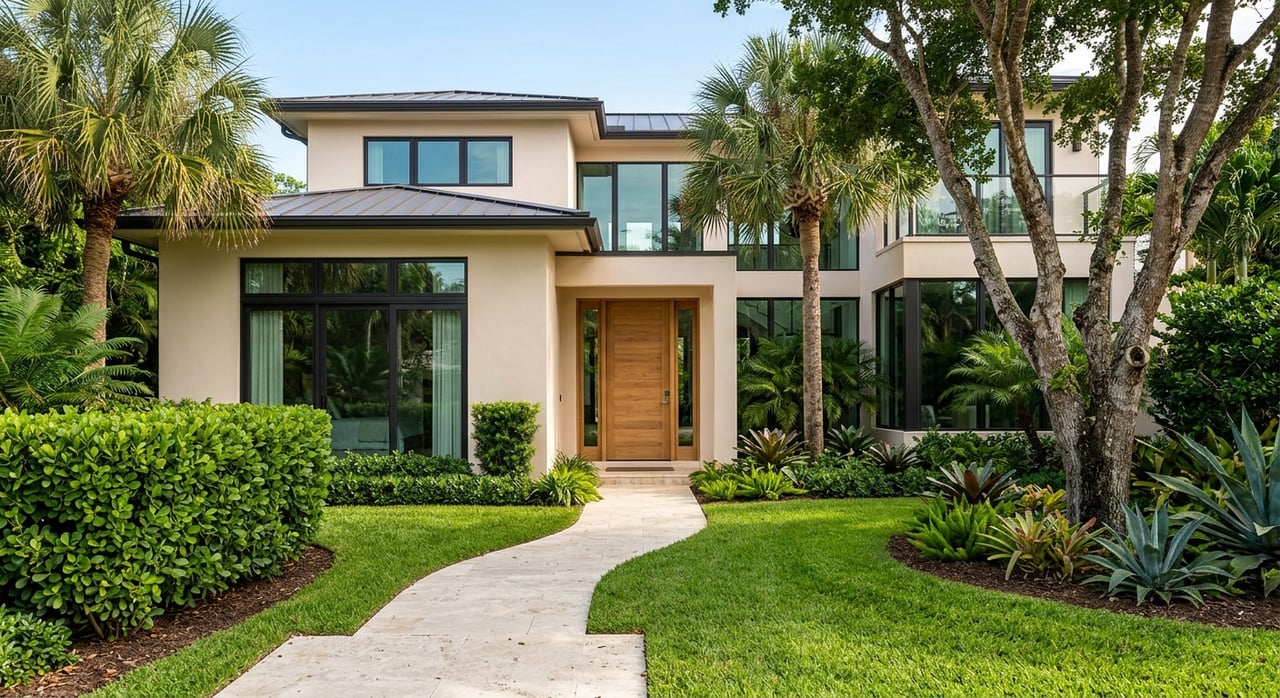
In practical terms, that means you are often buying a one-off property rather than a standardized builder product. Many newer homes in Pinecrest are custom or semi-custom, with site-specific design, higher-end finishes, and plans shaped by the lot itself. If you are expecting a simple production-home process, Pinecrest may feel more detailed and more hands-on.
Lot rules shape the whole project
In Pinecrest, the lot is a major part of the story. The Village’s residential land use categories include several low-density patterns, including estate-style standards with larger lot requirements. That can affect what can be built, how a home sits on the property, and how much flexibility a buyer or builder really has.
Because of that, a beautiful floor plan on paper does not always mean a simple path to completion. Setbacks, lot dimensions, and overall site compatibility can influence the design from the start. When you look at new construction in Pinecrest, it helps to think beyond the house and evaluate the full property.
Trees and landscaping matter
Pinecrest places a strong emphasis on neighborhood character and tree canopy. The Village is recognized as Tree City USA, and its permit requirements for new homes often include tree surveys, tree disposition plans, and landscape plans. That means mature trees and landscaping are not just visual details. They can directly affect design, approvals, and timeline.
For you as a buyer, this matters because a lot’s usable space may be influenced by tree preservation or replacement requirements. A property with mature landscaping can be a major asset, but it can also add complexity to a rebuild or redevelopment. In Pinecrest, landscape planning is often part of the project from day one.
Expect a layered approval process
One of the biggest surprises for buyers is how many moving parts can be involved before construction really gets going. The Village says projects involving demolition, new construction, or changes to a home’s dimensions or appearance may require design review. If a project does not meet local standards, a variance may also be needed before it can move forward.
Pinecrest also uses site plan review to confirm consistency with land-use rules, public facility availability, and compatibility with the surrounding area. In other words, approval is not always just about submitting a building permit. A custom home may move through both planning and building review, which can add time and complexity.
Outside agencies may also be involved
Depending on the project scope, outside agencies may need to review parts of the build. The Village notes that new construction can trigger concurrency requirements and may involve Miami-Dade DERM, the Health Department, and Fire Rescue. That is one reason permit timing can vary from property to property.
This does not mean every project is a problem. It simply means patience is part of the Pinecrest new construction experience. If you are on a tight move-in schedule, that is worth discussing early before you commit.
Permit timing can affect your move
Pinecrest states that permit issuance time depends on plan complexity. For buyers, that means two homes that seem similar on the surface may follow very different schedules. A project with straightforward plans may move more smoothly than one that needs design changes, added agency review, or variance approval.
If you are buying before completion, ask where the project stands in the approval process. A home that is framed is very different from one that is still working through planning details. Clear timing expectations can help you avoid stress later.
Flood, drainage, and insurance deserve early attention
Pinecrest permit packets for new homes and major redevelopment often require grading and drainage plans, along with elevation-related documentation. That is a strong signal that site conditions matter. It is smart to compare homeowners insurance and flood insurance costs early in your search, not after you fall in love with a property.
Insurance can meaningfully affect your monthly budget and long-term ownership costs. When a home includes site-specific drainage or elevation details, those items are not just technical paperwork. They can shape affordability and peace of mind.
What to know about contracts and deposits
If you are buying a new construction home that is not yet complete, the contract deserves extra attention. Buyer guidance from the Consumer Financial Protection Bureau says you should consider making your offer contingent on financing and a satisfactory inspection. It also notes that builders may ask for an upfront deposit on homes that are not yet built.
Florida law adds an important protection for buyers of one-family or two-family new construction. Deposits up to 10% must be placed in escrow unless you waive that right in writing, and the contract must include a clear notice of that right. That is a key point to understand before you sign.
You can shop for financing
If a builder suggests a preferred lender, remember that you are not required to use that lender. The CFPB advises buyers to shop around. Comparing loan terms can help you understand your full cost, not just the home’s purchase price.
In a market like Pinecrest, where new homes may carry premium pricing and custom features, small differences in financing can matter. Taking the time to compare options can pay off over the life of your loan.
Builder warranties are part of the value
New construction can offer some peace of mind that older homes may not. Under Florida law, a newly constructed one-family or two-family home must be covered by a builder warranty for one year after the first conveyance of title or first occupancy, whichever happens first, for defects that materially violate the Florida Building Code. That law is effective July 1, 2025.
It is also important to understand the limits. The statute excludes ordinary wear and tear, normal settling, buyer-caused damage, and losses from natural disasters or other acts of God. A warranty can be valuable, but it is not the same as blanket coverage for every issue.
Inspections still matter with new homes
A common mistake is assuming that a brand-new home does not need close inspection. In Pinecrest, municipal inspections happen at Florida Building Code intervals once the permit is issued and work begins. The Village also states that required work cannot be concealed before inspection, the permit card lists the minimum inspections required, and permits can expire after 180 days without an approved inspection.
That said, municipal inspections and builder processes do not answer every question about workmanship, finishes, or hidden issues. A general home inspection remains an important step for buyers. New does not always mean worry-free.
New construction vs. older resale in Pinecrest
For many buyers, the real decision is not simply “Can I buy new?” It is “Should I buy new, or would an older resale serve me better?” In Pinecrest, both options can make sense depending on your goals.
New construction often offers customization, newer systems, and the benefit of Florida’s builder warranty framework. The tradeoff is that you may face more moving parts, possible delays, and a longer road to closing or occupancy. If you like control and modern design, that may be worth it.
Older resale homes can offer a faster path to move-in. In Pinecrest, they may also come with mature landscaping and the character that reflects the area’s earlier development patterns. The tradeoff is that updates, maintenance, repairs, insurance, and improvement costs can narrow the apparent price advantage.
A simple way to frame the choice
Here is a practical side-by-side view:
| Option | Potential Upside | Possible Tradeoff |
|---|---|---|
| New construction | Custom design, newer systems, warranty coverage | Longer timeline, more approvals, deposit risk |
| Older resale | Faster occupancy, existing landscaping, established setting | More update needs, deferred maintenance uncertainty |
The right fit often comes down to your priorities. If timing matters most, resale may be the better path. If you want a modern home tailored to today’s preferences and can be patient with the process, new construction may be the stronger match.
Smart questions to ask before you buy
Before moving forward with a Pinecrest new construction home, ask clear questions about the property and the process. A little upfront clarity can save you time, money, and frustration.
Consider asking:
- Is this a completed home, an in-progress build, or a pre-construction opportunity?
- Has the project completed planning review and building review?
- Were any variances required or are any still pending?
- What tree, landscape, drainage, or elevation documents apply to this property?
- What is the expected inspection and completion timeline?
- How is the deposit being handled under Florida law?
- What does the builder warranty cover, and when does it begin?
- What are the estimated homeowners and flood insurance costs?
Why local guidance matters in Pinecrest
Because Pinecrest new construction is often custom and site-specific, local knowledge matters. You are not just evaluating countertops and square footage. You are evaluating approvals, lot constraints, landscaping requirements, inspection timing, and long-term carrying costs.
That is where experienced local representation can make the process feel more manageable. When you understand how Pinecrest works, you can ask better questions, compare options more clearly, and move forward with greater confidence.
If you are exploring new construction in Pinecrest and want thoughtful, local guidance, connect with Roberto Azua for a personalized conversation about your goals and options.
FAQs
What makes Pinecrest new construction different from other new-home markets?
- Pinecrest new construction is often a teardown-and-rebuild or major redevelopment on an existing lot, rather than a large subdivision of similar homes.
What approvals can a Pinecrest new construction home require?
- A project may require design review, site plan review, and in some cases a variance, along with building review and possible outside-agency involvement depending on scope.
Why do trees matter when buying a new construction home in Pinecrest?
- Pinecrest often requires tree surveys, tree disposition plans, and landscape plans, so mature trees and canopy protection can affect design, approvals, and usable site layout.
Do Pinecrest new construction buyers need home inspections?
- Yes. Municipal inspections are required during construction, but a buyer should still consider an independent home inspection to evaluate quality, finishes, and possible hidden issues.
How are deposits handled for Florida new construction homes?
- For one-family or two-family new construction in Florida, deposits up to 10% must be placed in escrow unless the buyer waives that right in writing, and the contract must include notice of that right.
Is new construction or resale better for Pinecrest homebuyers?
- It depends on your priorities. New construction may offer customization and newer systems, while resale may offer faster occupancy and mature landscaping.