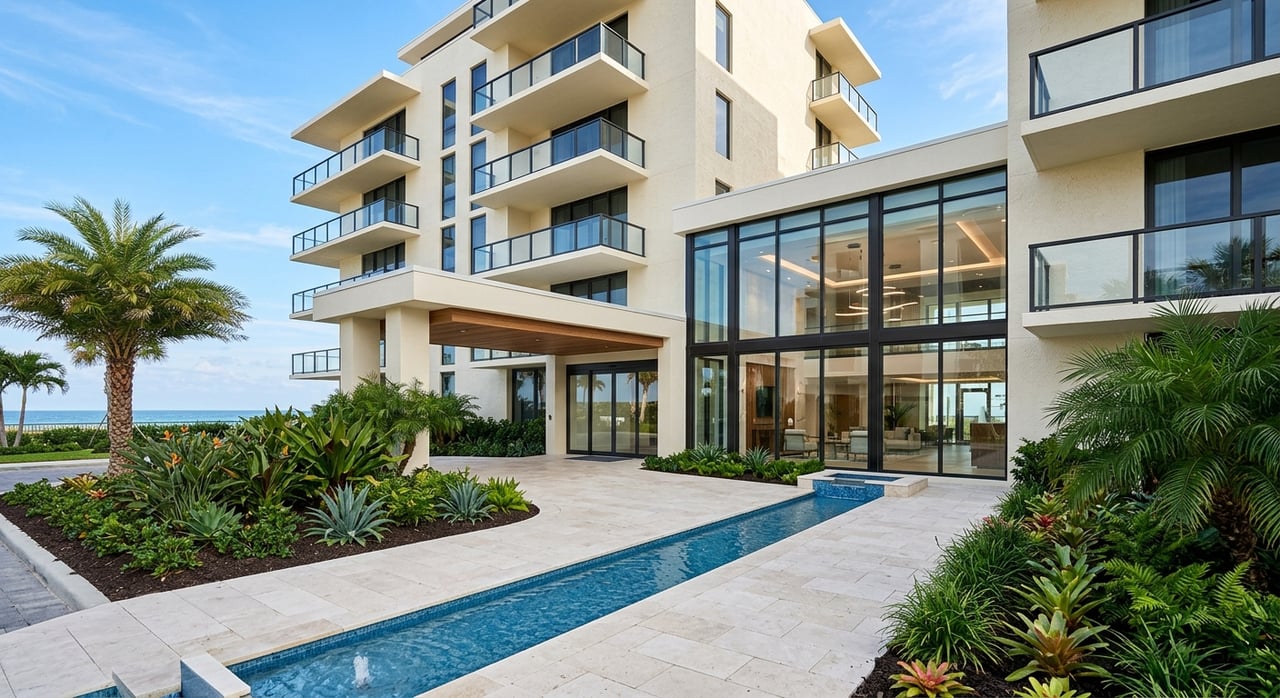
Choosing between a condo and a house in Coral Gables can feel simple at first, until you start weighing cost, lifestyle, upkeep, and long-term flexibility. You may love the idea of a walkable, lock-and-leave condo, or you may picture more privacy and room to grow in a detached home. The right choice depends on how you want to live, what you want to spend, and how much responsibility you want to take on. Let’s dive in.
Start With the Price Gap
In Coral Gables, the price difference between houses and condo-style ownership is often the biggest factor. According to MIAMI Realtors' Q4 2025 local metrics, the median sale price for single-family homes in Coral Gables was $2.05 million, while the combined condos and townhouses category was $528,000.
That does not mean every condo is affordable or every house is out of reach, but it does show how different the entry points can be. If you are trying to decide where your budget fits best, this gap gives you a practical starting point.
A lower purchase price for a condo does not always mean a lower total monthly cost. Condo ownership often includes association dues, and Florida law allows associations to use regular assessments, special assessments, lines of credit, and loans to fund maintenance obligations.
Compare Monthly Ownership Costs
When you compare condos and houses, it helps to look past the mortgage alone. Your monthly housing cost can be shaped by insurance, maintenance, and in the case of condos, association fees and possible assessments.
For a house, you usually take on more direct responsibility for repairs and ongoing upkeep. That can mean more control over when and how you spend money, but it also means you need to plan for roof work, exterior maintenance, systems servicing, and other property expenses.
For a condo, many building-level costs are shared through the association. That can simplify ownership, but it also means your budget should account for dues, reserve funding, and the possibility of special assessments if the building needs major work.
Think About Maintenance Responsibility
One of the clearest lifestyle differences between a condo and a house is who handles what. In a condo, the association typically manages many shared building components and common areas.
Florida reserve rules focus on major shared components such as roofs, structural systems, fire protection, plumbing, electrical systems, waterproofing and exterior painting, and windows and exterior doors. That structure can be appealing if you want less day-to-day involvement with exterior maintenance.
With a house, more of that responsibility falls directly on you. Some buyers prefer that because it gives them more independence, while others would rather trade that responsibility for a more turnkey ownership experience.
Weigh Privacy Against Convenience
Your daily lifestyle matters just as much as the numbers. A condo can offer convenience, shared amenities, and a simpler lock-and-leave setup, which may be especially attractive if you travel often, want less exterior upkeep, or prefer a more compact living arrangement.
At the same time, condo ownership comes with a shared-property structure. In Florida, condo owners have exclusive possession of their unit but share common elements through the association, which usually means less autonomy than you would have in a stand-alone house.
A house generally gives you more privacy and more separation from neighbors. It can also feel more adaptable over time, especially if you want outdoor space, room for storage, or greater control over how the property functions.
Coral Gables Walkability Can Shift the Decision
Not every part of Coral Gables offers the same day-to-day convenience. The city describes Miracle Mile as its main street, with wide sidewalks, cafés, boutiques, events, and pedestrian-focused streetscape features.
The free Coral Gables trolley averages more than 1 million passengers a year, runs Monday through Saturday, and connects to Douglas Road Metrorail. The Downtown Express also links South Gables and the University of Miami to Miracle Mile and Giralda Plaza on Saturdays.
In practical terms, condos near the downtown core often make it easier to enjoy a walkable Coral Gables lifestyle. Detached homes can still offer a great experience, but depending on location, you may rely more on driving for shopping, dining, and errands.
Understand Coral Gables Historic Rules
If you are leaning toward a house, especially an older one, local rules can affect what you can change. Coral Gables actively protects historic properties, and homes listed in the Coral Gables Register or located in a historic district may require a Certificate of Appropriateness before most exterior alterations and before building permits are issued for those changes.
Some projects may also need zoning variances. So while a house usually offers more control than a condo, that does not always mean unlimited freedom to renovate the exterior.
This is an important point for buyers who already have remodeling plans in mind. If customization is a priority, it is worth confirming early whether the home is subject to historic review or design restrictions.
Older Condo Buildings Need Extra Review
For condo buyers, the age of the building matters. Coral Gables requires applicable buildings that have existed for 30 years or longer to be inspected through the building recertification process, and once compliant, recertification is required every 10 years after that.
The city says single-family residences, duplexes, and minor structures are exempt from that requirement. This makes recertification especially relevant for older condo and multifamily buildings, where inspections and repairs can affect timing, budgeting, and the risk of special assessments.
Florida condo safety law adds another layer. The Department of Business and Professional Regulation says a Structural Integrity Reserve Study, or SIRS, is required for residential condominium buildings that are three stories or higher, and it must be repeated at least every 10 years.
DBPR also says inspection reports and reserve studies are part of the association’s official records and must be provided to potential condo purchasers. If you are considering a condo, these documents can tell you a lot about the building’s financial planning and upcoming repair needs.
Insurance Works Differently
Insurance is another area where condos and houses differ in a meaningful way. Florida’s insurance guidance says single-family homeowners generally use HO-2, HO-3, or HO-8 policies, while condo unit owners typically need an HO-6 policy.
An HO-6 policy mainly covers your personal property, liability, and certain interior items that are not insured by the association’s master policy. It also must include at least $2,000 of loss-assessment coverage.
That means condo buyers should pay close attention to what the association’s master policy covers, along with the building’s reserves and any recent assessment history. House buyers still need to review coverage carefully, but the insurance structure is usually more direct.
Choose Based on Long-Term Flexibility
If you expect your needs to change over time, flexibility deserves a close look. A house often gives you more room to remodel, expand, or reconfigure the property, although Coral Gables zoning and historic review rules can still limit some exterior changes.
A condo usually offers less physical flexibility, but in exchange, ownership can feel simpler. For many buyers, that tradeoff is worth it because the property is easier to maintain and easier to leave for weekends, travel, or seasonal living.
A good way to frame the decision is this: if you want more control and privacy, a house may fit better. If you want more convenience and less direct responsibility for building systems, a condo may be the stronger match.
Questions to Ask Before You Decide
Before you choose a condo or a house in Coral Gables, make sure you ask practical questions that match your lifestyle and budget.
- How much of your monthly cost will go toward association dues versus direct maintenance?
- If you are buying a condo, what do the latest reserve budget, SIRS, and any special assessments show?
- Is the property in a historic district or subject to exterior-design review?
- How close is it to Miracle Mile, Giralda Plaza, or a trolley stop?
- Do you want more privacy and renovation freedom, or more convenience and walkability?
The best choice is not just about what looks good on paper. It is about how you want to live in Coral Gables now and how that property will serve you later.
If you want help comparing neighborhoods, reviewing condo documents, or narrowing down the right fit for your goals, Roberto Azua is here to guide you with local insight and a personal, family-first approach.
FAQs
What is the main price difference between condos and houses in Coral Gables?
- MIAMI Realtors' Q4 2025 local metrics show a median sale price of $2.05 million for Coral Gables single-family homes and $528,000 for the combined condos and townhouses category.
What extra costs should condo buyers expect in Coral Gables?
- Condo buyers should plan for association dues, reserve funding, and the possibility of special assessments or other association funding tools for maintenance obligations.
What should buyers review in an older Coral Gables condo building?
- Buyers should review building recertification status, the latest Structural Integrity Reserve Study if applicable, reserve budgets, inspection records, and any history of special assessments.
How do historic rules affect Coral Gables houses?
- If a house is listed in the Coral Gables Register or located in a historic district, many exterior changes may require a Certificate of Appropriateness before permits are issued, and some projects may also need zoning variances.
Which Coral Gables properties are better for walkability?
- Properties closer to downtown Coral Gables, Miracle Mile, Giralda Plaza, and trolley access usually offer a more walkable lifestyle than homes located farther from the core.
What kind of insurance does a Coral Gables condo owner need?
- Florida guidance says condo unit owners typically need an HO-6 policy, which covers personal property, liability, certain interior items not covered by the master policy, and at least $2,000 in loss-assessment coverage.