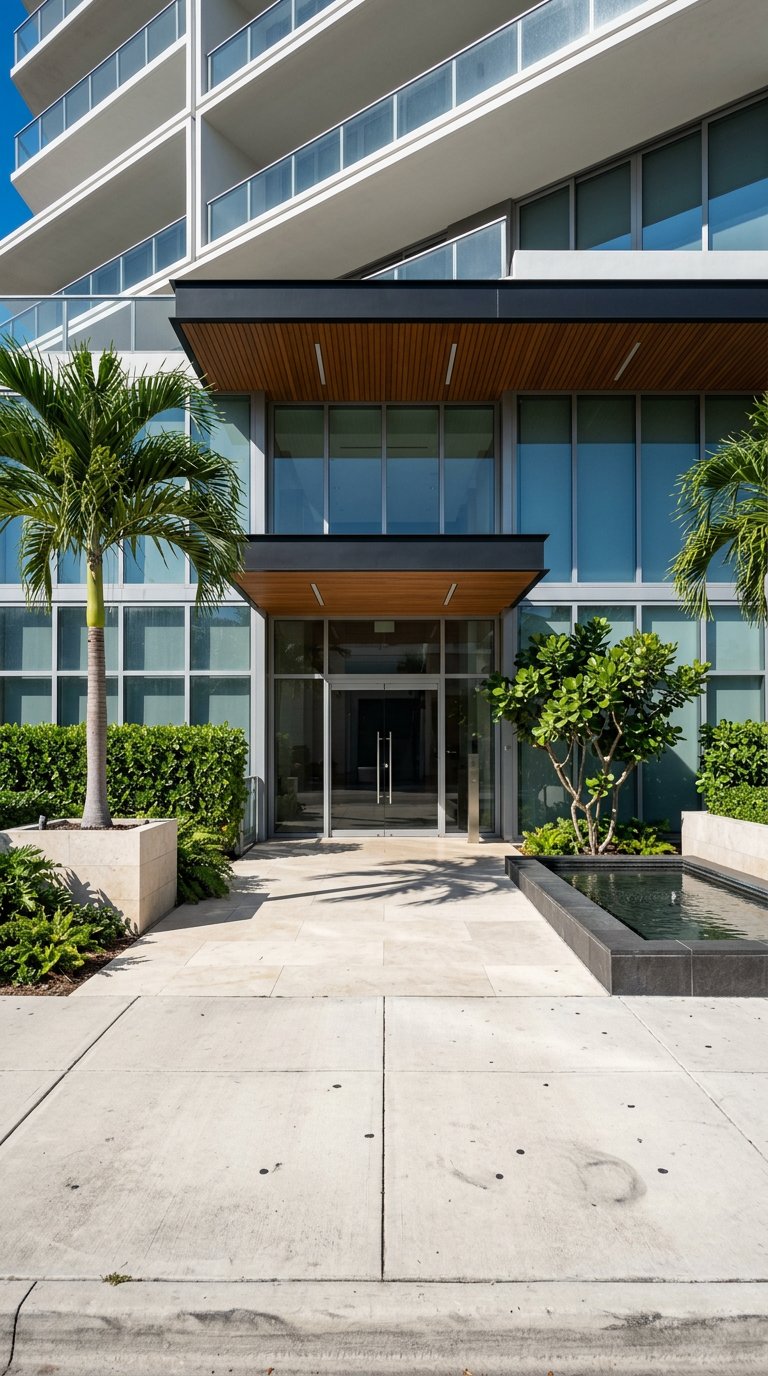
Wondering which Miami neighborhood is the right fit for your first condo? You have plenty of great options, but the details matter, from HOA dues and recertifications to parking and walkability. If you want a place that fits your budget and lifestyle today, and still makes sense for resale later, this guide will help you compare your top choices with confidence. Let’s dive in.
How to choose your first Miami condo
Buying your first condo in Miami is exciting, but smart choices start with the building, not just the view. In Brickell, Edgewater, and Downtown, you’ll see a range of towers with different ages, amenities, and HOA structures. Your goal is to understand the trade-offs so your monthly budget and daily routine line up.
- HOA dues reflect amenities, insurance, reserves, and staffing. Newer, amenity-rich towers tend to have higher fees. Get clear on what those dues include. You can review what HOA fees generally cover in this consumer explainer from Freedom Mortgage for context on typical line items like master insurance and reserves. Their overview makes it easier to compare apples to apples when dues vary by hundreds per month. Learn what HOA fees typically cover.
- Florida now requires milestone structural inspections and stronger reserve planning for qualifying condo buildings. These rules can increase dues or lead to special assessments if repairs are needed. Read the state statute for a sense of timelines and requirements. See Florida Statute 553.899 and the DBPR guidance on inspections and reserve studies. Review DBPR’s condo inspection info.
- Walkability and transit can reduce your car costs. In Downtown and Brickell you can rely on the free Metromover and Metrorail connections for many errands and commutes. Explore the Metromover and check Downtown’s high Walk Score to get a sense of daily convenience. See Walk Score for Downtown Miami.
- Financing depends on the building too. Many mortgages require the condo project to meet eligibility guidelines. If a building is non-warrantable, your loan options may be limited. Ask your lender to verify project-level eligibility early. Review Fannie Mae’s condo project requirements.
Brickell: walkable finance-district living
Brickell puts you in Miami’s urban core with dense high-rises, dining, and quick access to office corridors. If you want a short commute, active streets, and amenities at your doorstep, it is hard to beat.
What you’ll find
You’ll see older 1980s–1990s towers alongside a large wave of 2000s–2020s buildings. That mix creates options, from compact buildings with simpler amenities to new towers with resort-style features. New branded residences and riverfront projects continue to raise the skyline and add retail.
Getting around
If you prioritize a car-light lifestyle, Brickell shines. The free Metromover links Brickell with Downtown, and Metrorail connects you to wider Miami and the airport. Many residents pair occasional ride-shares with daily walks for errands. Check the Metromover map and hours.
Budget considerations
- Newer, luxury buildings often carry higher HOA dues due to pools, gyms, concierge, valet, and robust staffing. These services feel great, but they show up in your monthly budget. Here’s what those dues typically fund.
- Florida’s inspection and reserve requirements can impact older buildings. Ask for the latest milestone inspection reports and reserve studies, and see whether repairs or higher reserves are planned. Read the state inspection statute.
Edgewater: bay views and access to parks
Edgewater sits just north of Downtown along Biscayne Bay. It blends new waterfront towers with older mid-rise buildings, giving first-time buyers a wide range of options and price points.
What you’ll find
Expect modern towers with bay views alongside older conversion-style and mid-rise inventory. Many buyers choose Edgewater to be near parks and the bay, while staying close to Midtown and the Design District.
Getting around
The neighborhood is very walkable within Miami’s urban context, and many daily needs are reachable on foot or by bike. Trolley and bus routes link Edgewater to the wider transit network. To compare general walkability across Miami neighborhoods, start with Walk Score’s Miami pages. See Walk Score for Miami.
Budget considerations
- Older, simpler buildings may have lower monthly dues, but reserve funding and upcoming inspections still matter. Review the building’s recent financials, SIRS or reserve study, and incident history.
- Newer waterfront towers may carry higher dues due to amenities and waterfront maintenance. Weigh view and amenity value against long-term affordability. Review what HOA fees typically include.
Downtown: the car-optional core
Downtown Miami is one of the city’s most walkable and transit-rich areas. If you love culture, sports, and dining plus easy access to transit, Downtown delivers a lively pedestrian experience.
What you’ll find
You’ll see a wide mix of converted lofts, early 2000s towers, and new developments within the Miami Worldcenter and Park West corridors. Miami Worldcenter’s growth has already added retail, dining, and residential options, with more phases expected. Explore the Miami Worldcenter overview.
Getting around
Downtown is one of the clearest places in Miami to live car-optional. The free Metromover loops connect you across Downtown and into Brickell, while Metrorail adds regional coverage. Check Downtown’s walkability to envision your daily routes. See Walk Score for Downtown Miami.
Budget considerations
- HOA dues vary widely due to building age and amenity mix. Some mixed-use properties structure costs across multiple uses, which can change per-unit expenses. Always review the budget and audited financials.
- Due diligence is essential across Downtown’s older and newer stock. Request inspection and reserve reports to see if major repairs or special assessments are on the horizon. Review Florida’s inspection statute and DBPR’s guidance. See DBPR condo inspection info.
What your monthly budget really covers
Condo affordability is more than the purchase price. Build your monthly number with all predictable costs so you can compare it fairly to your rent.
- Mortgage principal and interest. Your lender will help you model this.
- Property taxes. Miami-Dade can estimate based on the assessed value.
- HOA dues. These fund building operations, reserves, insurance, common-area maintenance, staffing, and utilities if included. Learn what HOA dues typically cover.
- Master insurance portion within HOA dues. Ask for the latest binder and deductibles to understand risk sharing.
- Unit insurance. Your HO-6 policy covers interior elements and personal property.
- Parking. Some buildings include one space. Others charge a monthly fee or offer valet packages.
Pro tip: Ask your lender to add estimated HOA dues, taxes, and insurance into your pre-approval worksheet. You will see a realistic monthly payment before you shop.
Due diligence checklist for first-time buyers
Request these documents and confirmations early, ideally during your offer or right after acceptance. They help you avoid surprises that can affect financing and future costs.
- HOA budget and audited financials for the last 2 to 3 years. Look for consistent reserve funding and no recurring shortfalls. What HOA fees cover can help you read line items.
- Milestone inspection reports and SIRS or reserve studies. Confirm status and scope of any required repairs. Read Florida Statute 553.899 and DBPR’s inspection guidance. DBPR condo inspections.
- Master insurance binder and deductible schedule. High deductibles or carve-outs can shift cost to owners. See what HOA fees often include for insurance context.
- HOA meeting minutes and notices from the last 12 months. Watch for planned assessments, litigation, or large projects.
- Delinquency and occupancy data. High delinquency or investor concentration can limit loan options. Check Fannie Mae’s project requirements.
- Miami-Dade recertification and permit history. Search for open violations, unsafe structure cases, or recent closures. Use the Miami-Dade permits and recertification portal.
Red flags to investigate: underfunded reserves, pending Phase 2 milestone findings, large special assessments, multiple years of operating deficits, ongoing HOA litigation, non-warrantable project status, and gaps in master insurance coverage.
Quick compare: Which neighborhood fits you
Use these snapshots to start shortlisting. Then walk the streets at different times of day to confirm the feel.
Brickell
- Choose it if you want maximum dining and office access with frequent transit service.
- Expect newer high-rises, strong amenity packages, and higher HOA ranges in luxury towers.
- Best for buyers who value walkability and a vertical lifestyle.
Edgewater
- Choose it if bay views, parks, and proximity to Midtown and the Design District appeal to you.
- Expect a mix of older mid-rises and newer waterfront towers, with varying dues and finishes.
- Good for buyers who want water-adjacent living with a slightly quieter urban vibe.
Downtown
- Choose it if you want a car-optional routine near culture, sports, and major events.
- Expect a diverse product mix, from loft conversions to towers tied to Miami Worldcenter. Learn about Miami Worldcenter.
- Good for buyers who prioritize walkability and transit first.
Next steps
The right first condo balances your lifestyle with smart building choices. If you want a local guide to help you compare buildings, read HOA budgets, confirm inspection status, and coordinate with your lender on project eligibility, our family-led team is here for you. Reach out to Roberto Azua to shortlist the best options in Brickell, Edgewater, and Downtown.
FAQs
What is Florida’s condo inspection law and how does it affect buyers?
- Florida Statute 553.899 requires milestone structural inspections and stronger reserve planning for qualifying condo buildings, which can raise dues or lead to assessments. Review the law and ask for recent reports. Read the statute.
How can I check a Miami building’s recertification or permit issues?
- Search Miami-Dade’s permits and recertification portal for the building’s history, then request related engineer reports and board communications from the HOA. Use the county portal.
What makes a condo “non-warrantable,” and why does it matter?
- High investor concentration, litigation, underfunded reserves, or large commercial space can make a project ineligible for some loans. Have your lender confirm project status early. See Fannie Mae’s requirements.
How do HOA dues differ across Brickell, Edgewater, and Downtown?
- Dues vary by building age and amenities. Newer luxury towers often have higher dues due to staffing and facilities, while older, simpler buildings may be lower. Always review budgets and reserves. What HOA fees usually include.
Can I live car-optional in Brickell or Downtown Miami?
- Yes. The free Metromover and Metrorail make many trips possible without a car, and Downtown has one of Miami’s highest Walk Scores. Check Metromover and see Downtown’s Walk Score.